
Editing and proofreading are mandatory, in order to produce good written content for public dissemination. They are two different but essential parts of the preparatory process for publishing.
Although many people use the terms interchangeably, editing and proofreading comprise two different stages of the revision process. Although both entail close scrutiny and careful reading, they focus on different aspects of the writing and employ different techniques.
Editing involves reading through a manuscript (or any written material) to check things like grammar, punctuation, spelling, repetition, the correct use of words, accuracy of meaning, content, sentence & paragraph structure and, in the case of novels, memoirs and short stories, etc., all the other features that comprise the telling of a good, coherent story.
Proofreading entails fine-tuned, focused re-reading to pick up any overlooked errors and to make any necessary revisions or subtle rewrites to improve the text.
When reading through a manuscript in the proofreading phase, i.e. without all the editing notations and as “free-flowing text,” one gets a much clearer sense of the way that the words fit together in sentences and paragraphs, much like the way that combined notes comprising a musical composition sound when the piece is played in its entirety on an instrument.
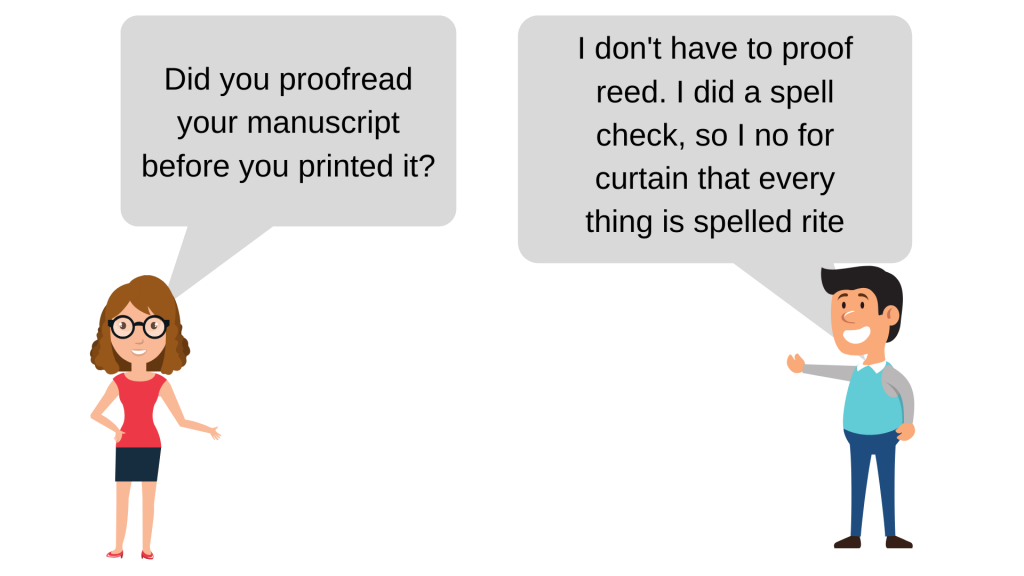
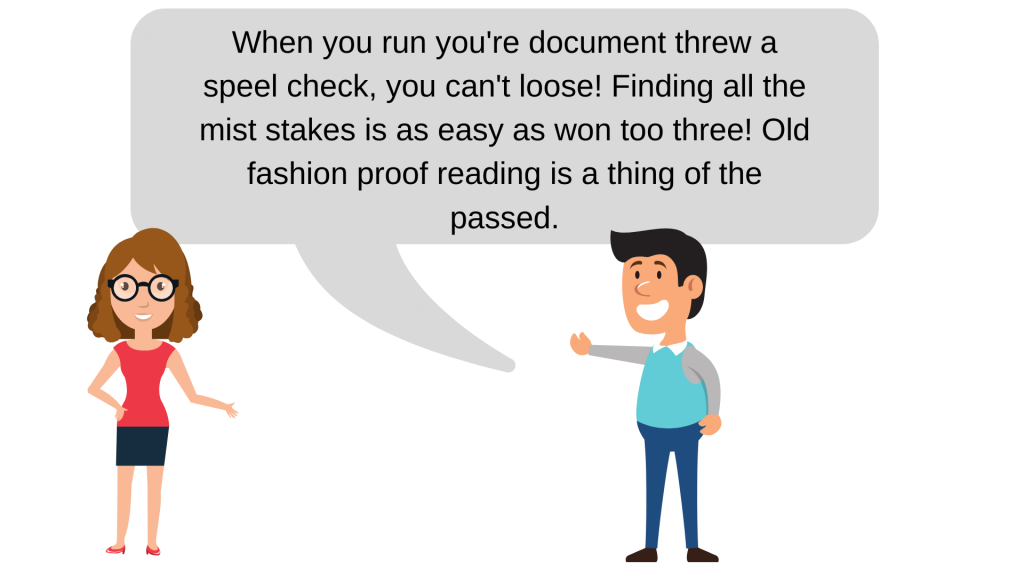
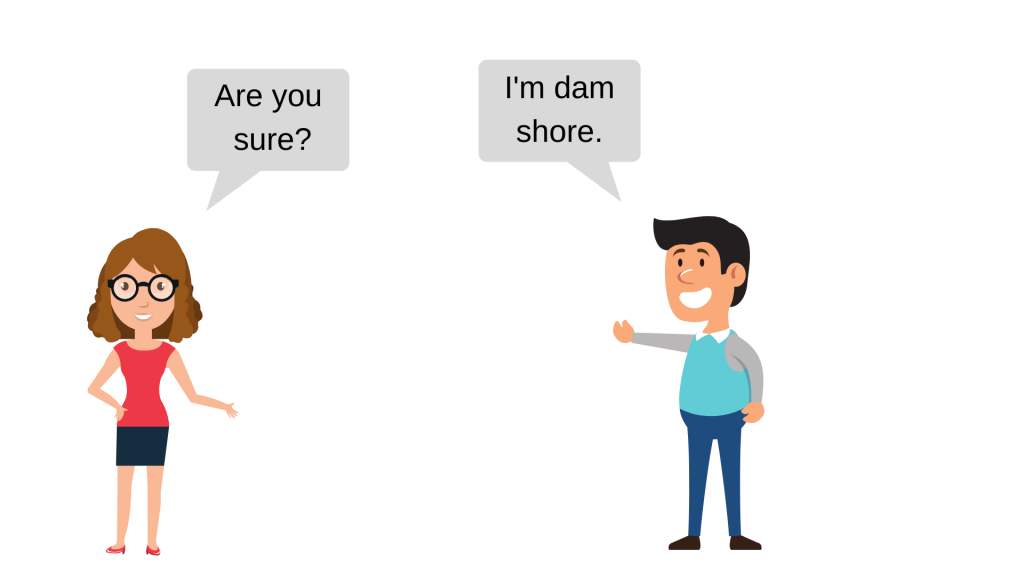
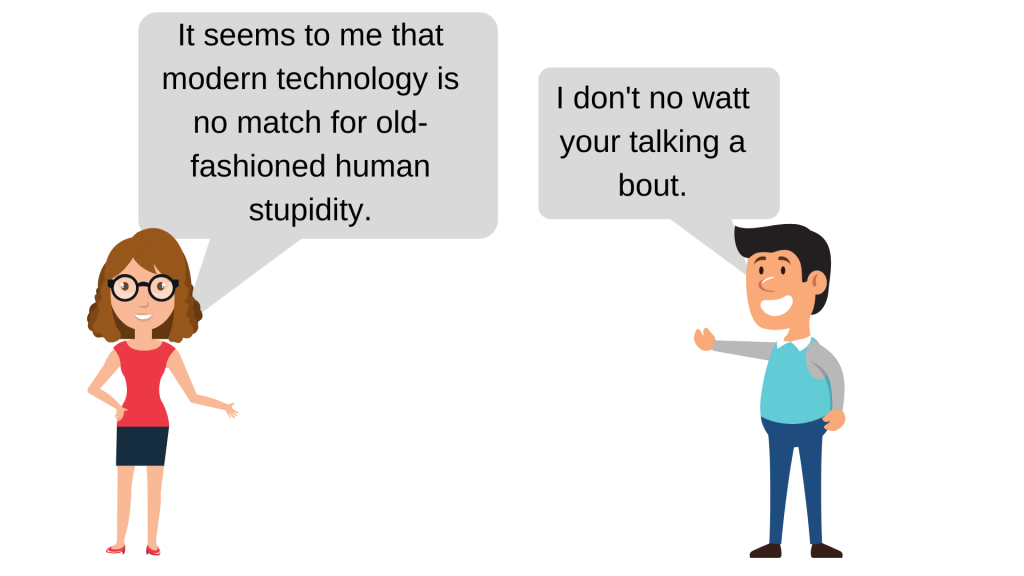
In this advanced technological age, many writers think that they can rely solely on online spelling and grammar checkers. Although both are useful tools, they are far from foolproof as they are unable to pick up the nuances and connotations of everything in a written piece, nor are they able to correctly assess spelling and grammar in every context, as the following example shows:
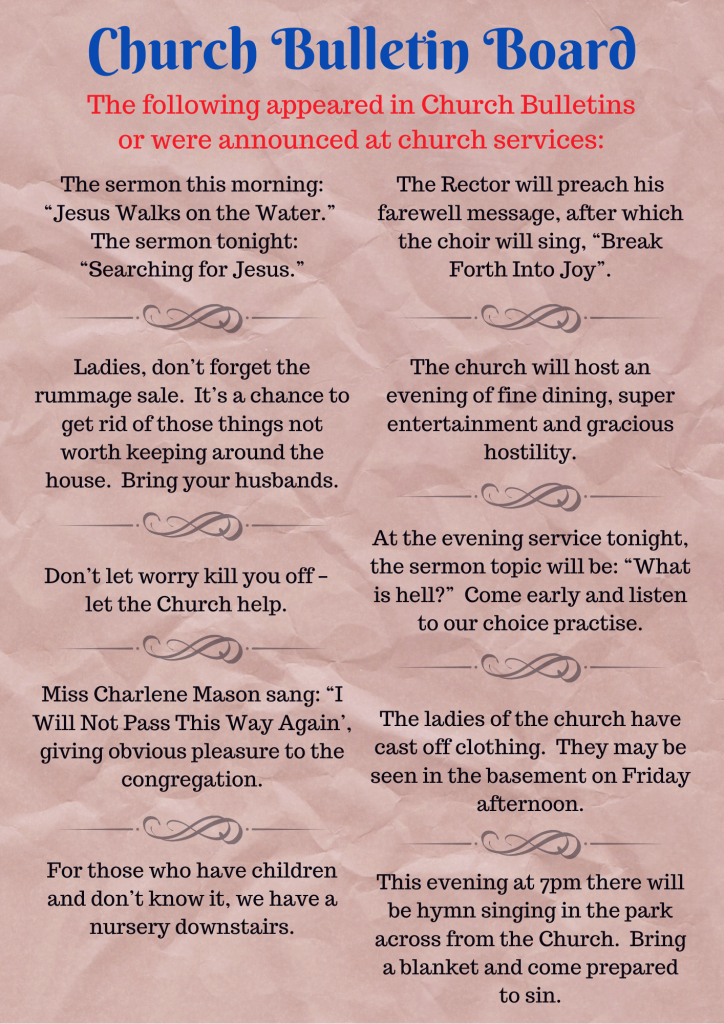
In bad writing, often an unintentional connotation is conveyed, i.e. one that evokes a completely different meaning from the intended, literal or primary one, as the following hilarious examples illustrate:
The following are just a few examples of how the lack of punctuation or, alternatively, the incorrect placement of punctuation marks, e.g. commas, can change the entire meaning of a written sentence or paragraph:
“Making love to me is amazing. Wait, I meant: making love, to me, is amazing. The absence of two little commas nearly transformed me into a sex god.” – Dark Jar Tin Zoo
Misleading:
“Let’s eat Grandpa!” as opposed to: “Let’s eat, Grandpa!”
“I’m sorry I love you.” as opposed to: “I’m sorry. I love you.”
“I love baking my family and friends.” as opposed to: “I love baking, my family and friends.”
Just one missing comma and these sentences have a completely different meaning!
A sign in the police stations states: “Say ‘NO’ to Drugs from the NMB Police D.A.R.E. Officers.”
Huh? Just one missing punctuation mark (either a comma or hyphen after “drugs”) and this sign declares that it’s the police officers who are supplying the drugs!
Primarily because I love what I do and am proficient at it!
I believe strongly in the power of the written word and I want all my clients’ work to be as good as it can possibly be. To that end, I put my heart and soul into every manuscript or document that I work on, so that my clients are able to produce high-quality written material that is both professional and compelling. I do my best to ensure that they end up with a first-rate finished product that they can be proud of and feel confident about publishing.